Jellyfish Species in Australia: Types, Facts and Where to See Them Up Close
Discover jellyfish species in Australia, fascinating facts and where to see them up close at Sea World Gold Coast.
Ann McInerney
Published Date: 26 Feb 2026
Australia is home to some of the most fascinating marine life on the planet, and jellyfish are among the most mysterious. Drifting silently through our oceans, these ancient creatures have existed for more than 500 million years. With their glowing colours, flowing tentacles and unusual anatomy, it is no wonder so many families and students search for information about jellyfish species in Australia.
If you have ever watched a jellyfish move through the water and wondered how it survives without a brain or bones, you are not alone. Let us explore the types of jellyfish in Australia, uncover some surprising jellyfish facts, and discover where you can see these incredible creatures up close.
How Many Jellyfish Species in Australia Are There?
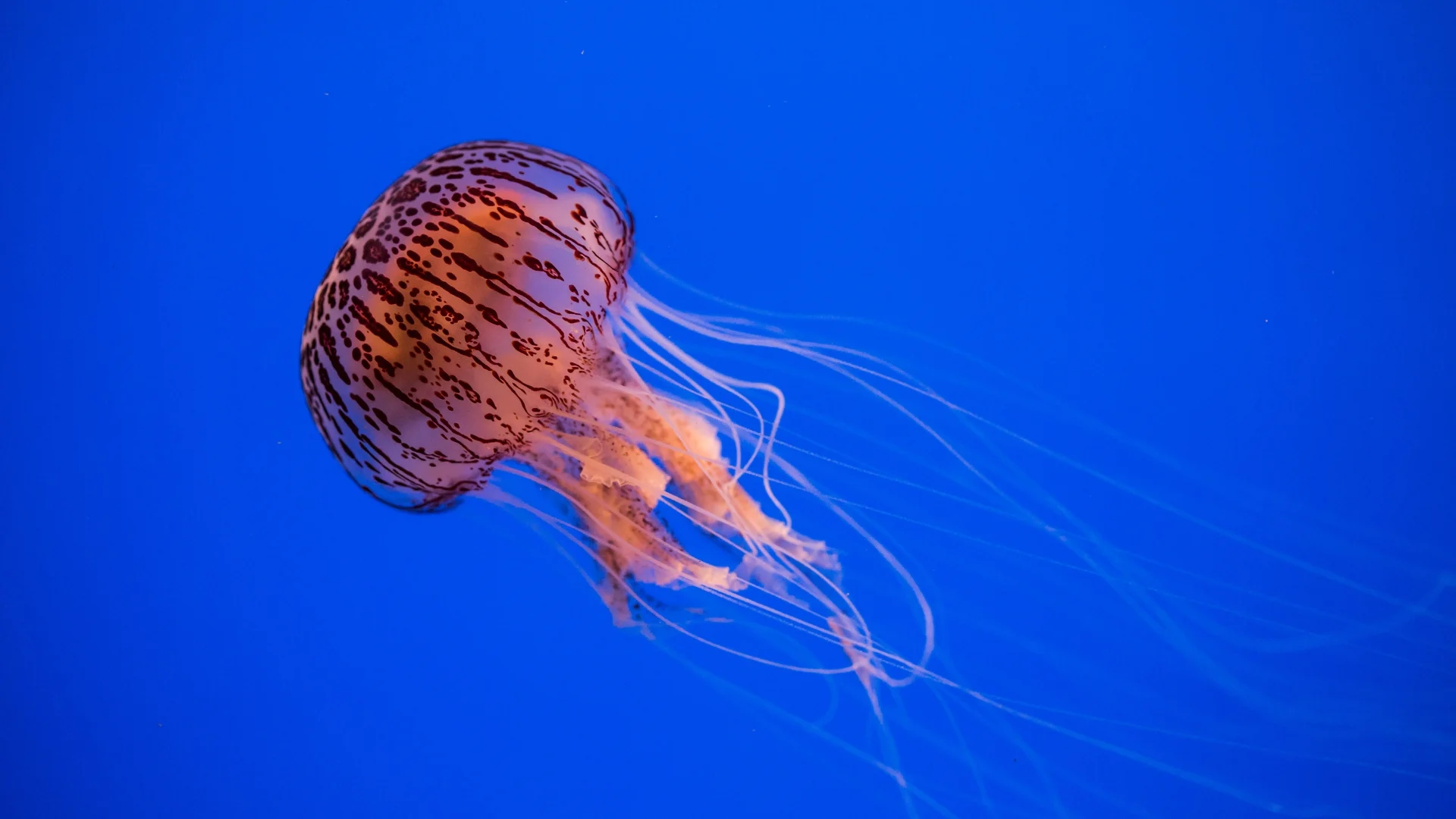
There are more than 100 recognised jellyfish species in Australian waters, ranging from tiny transparent drifters to larger species known for their distinctive shape and sting. Australia’s tropical and temperate waters create ideal habitats for a wide variety of Australian jellyfish species.
These species can be found along the Great Barrier Reef, in coastal Queensland waters, and throughout southern regions. While some are harmless, others require caution, which is why marine education plays such an important role in coastal communities.
At Sea World Gold Coast, our marine experts help guests understand how jellyfish function, where they live, and why they are essential to ocean ecosystems.
Types of Jellyfish in Australia You Can See at Sea World Gold Coast
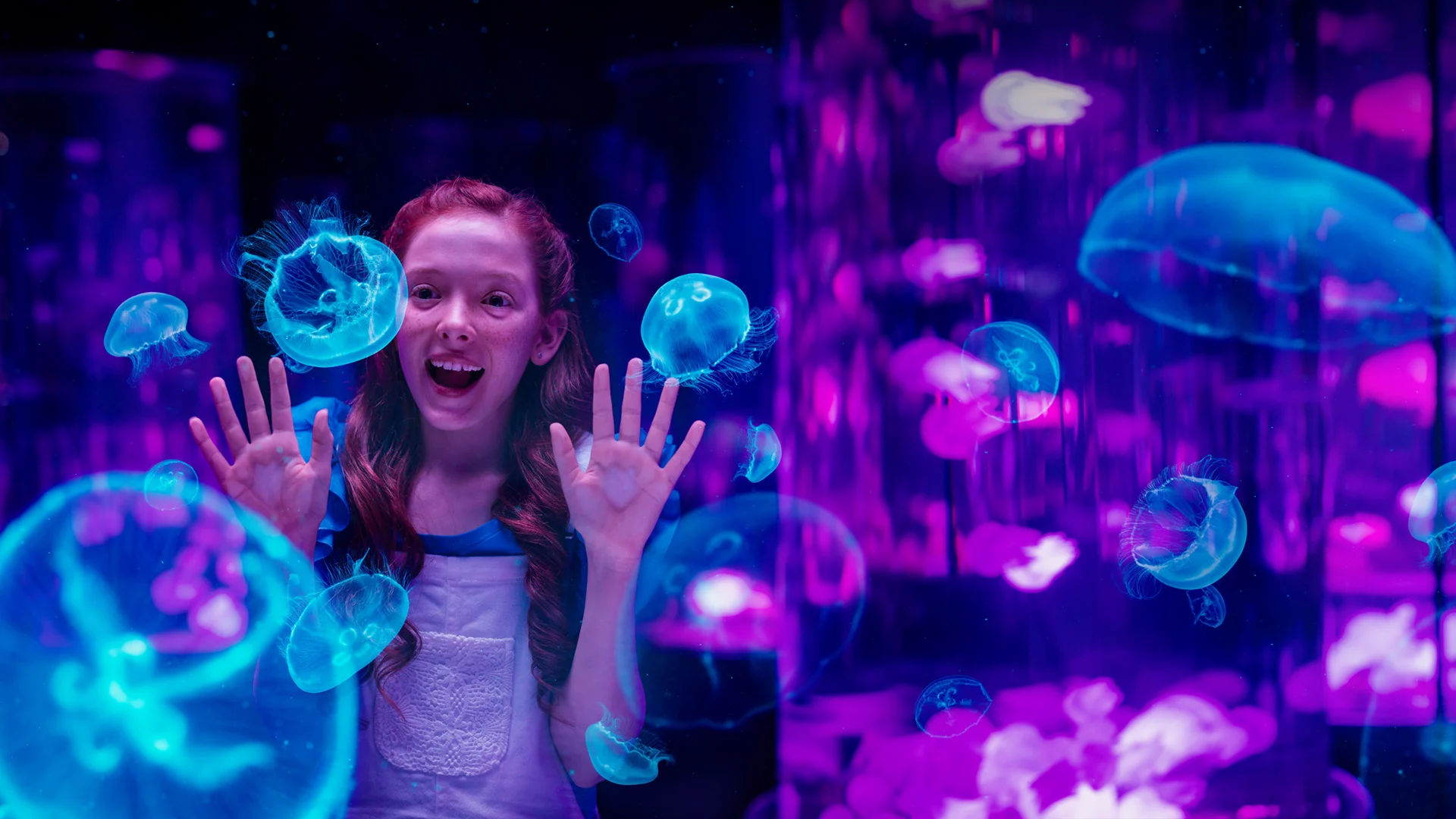
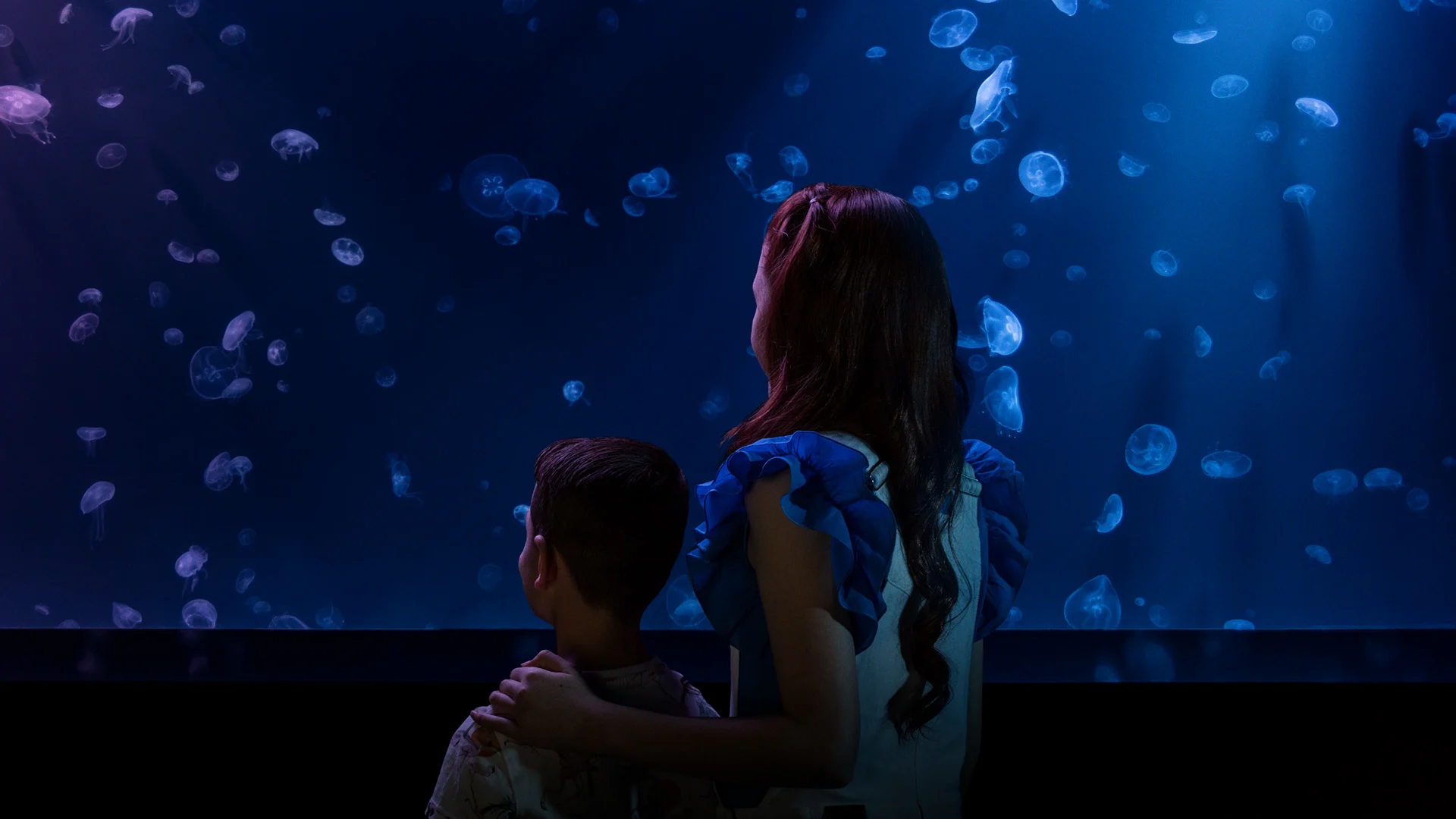
Australia is home to many remarkable jellyfish species, and at Sea World Gold Coast you can witness several species up close in the immersive Sea Jellies Illuminated exhibit. This dedicated space combines marine science with an immersive lighting design, allowing you to observe the delicate movements and intricate structures of these fascinating animals.
Here are some of the Australian jellyfish species you may encounter.
Moon Jellyfish
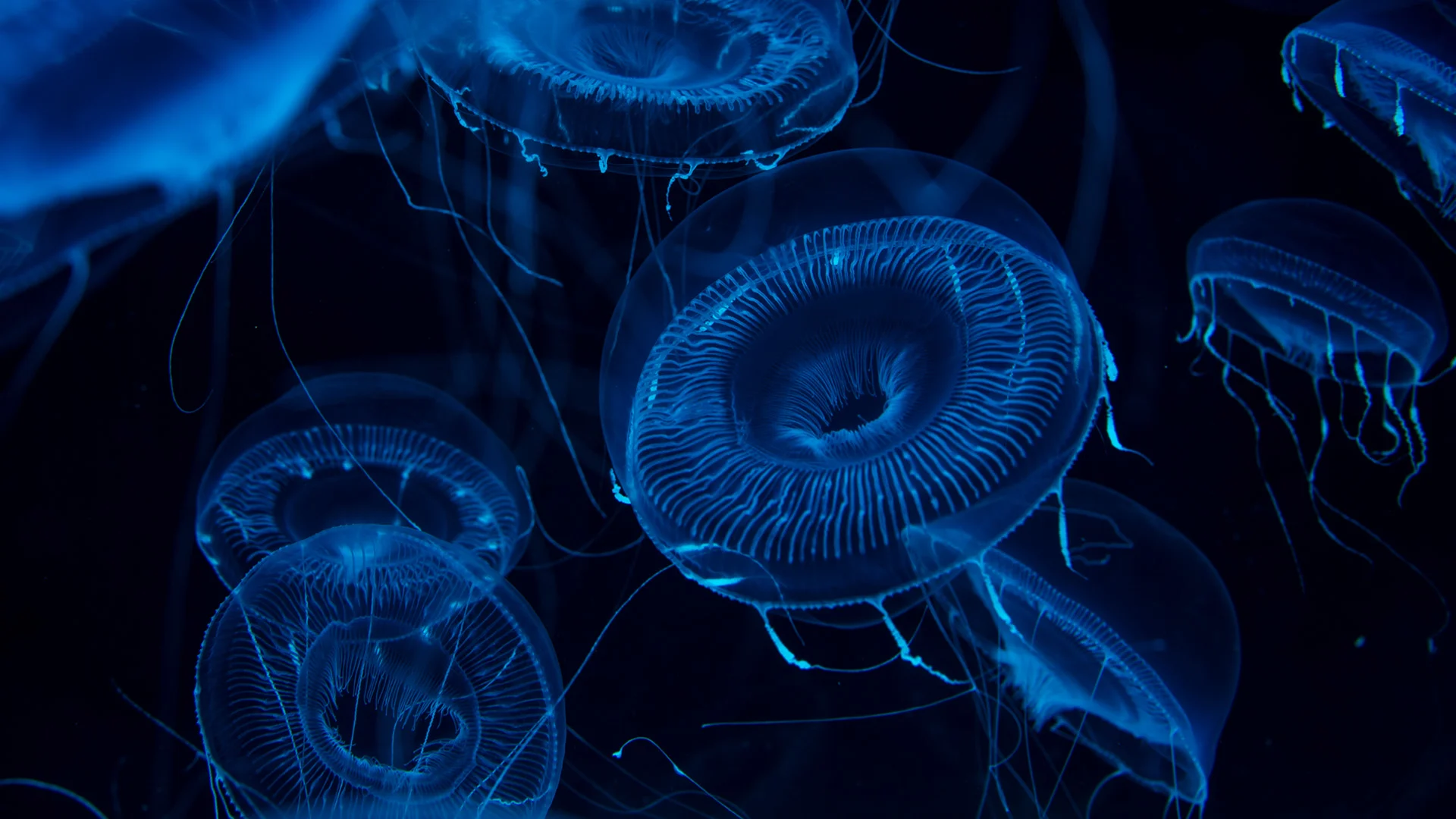
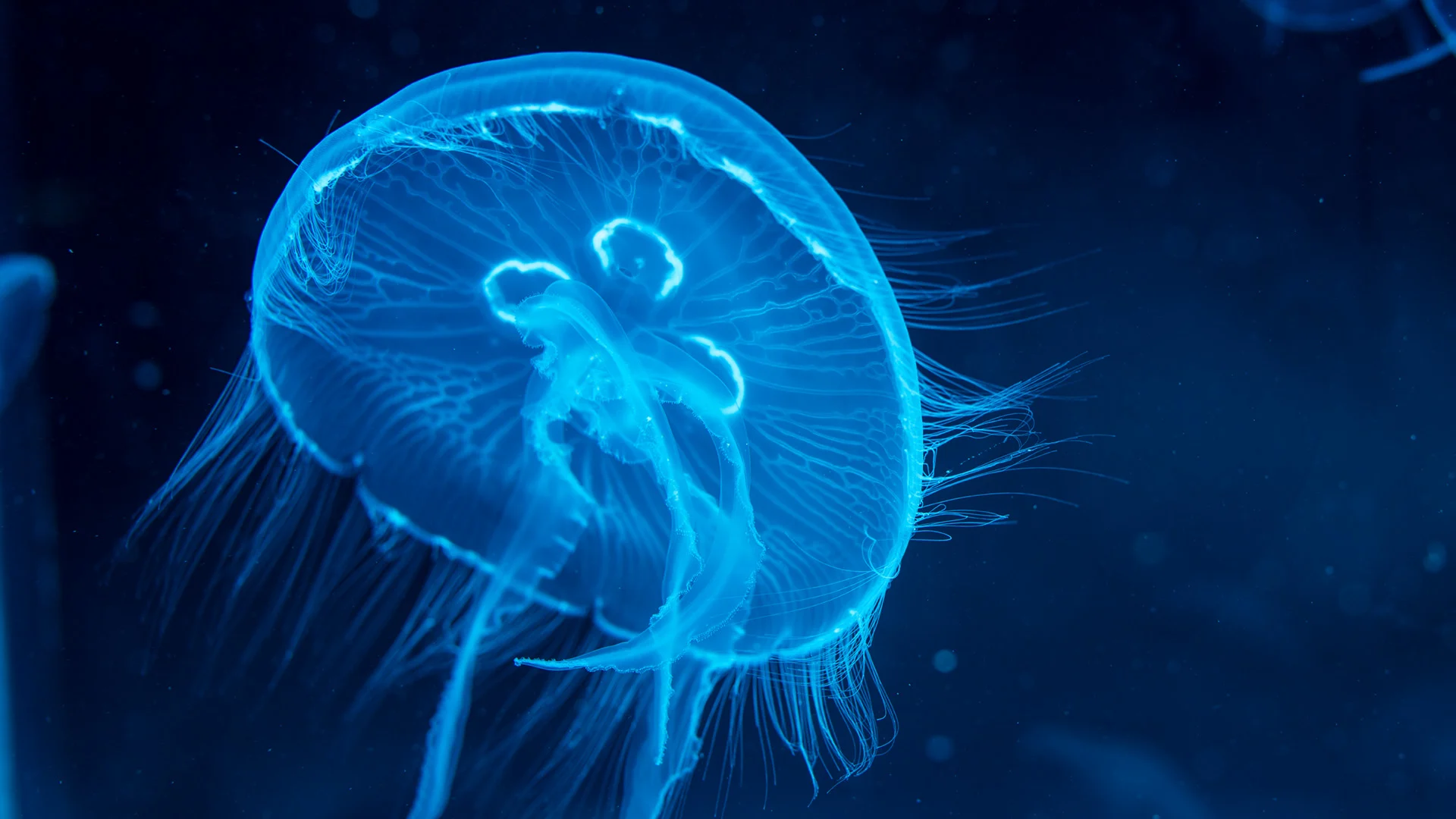
Moon jellyfish are one of the most recognisable types of jellyfish in Australia. With their transparent, saucer-shaped bell and soft trailing tentacles, they move in a gentle pulsing rhythm through the water.
Did you know they use tiny stinging cells to catch microscopic prey? While their sting is very mild to humans, it is highly effective for capturing plankton. Watching them under soft illuminated displays reveals details that are almost impossible to see in the ocean.
Upside-Down Jellyfish
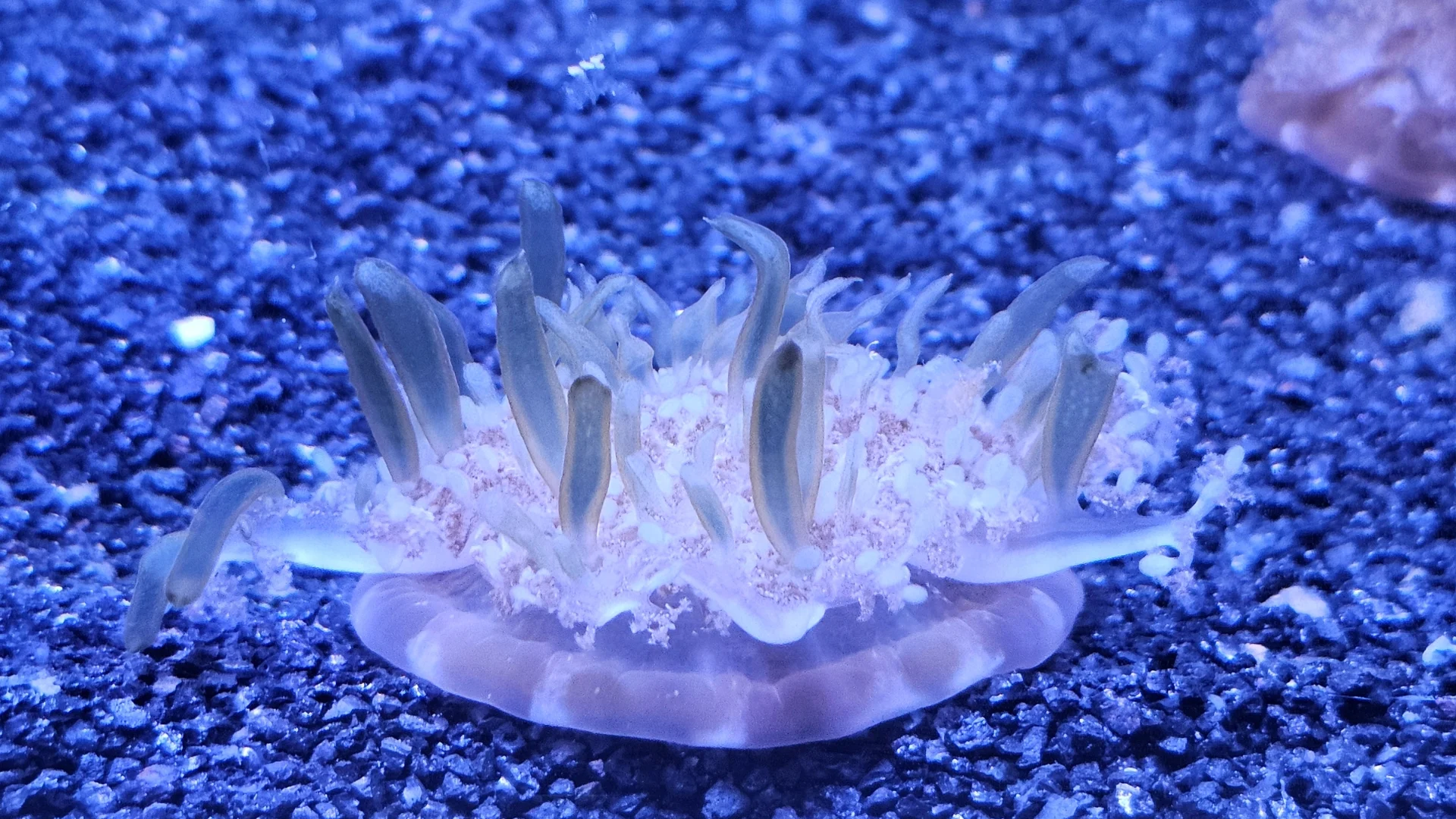
Unlike most jellyfish, this species rests bell down on the ocean floor with its tentacles facing upward. This unusual position helps them host tiny algae within their tissues, forming a unique partnership (also known as symbiosis) that provides energy through photosynthesis.
This adaptation makes them one of the more unusual Australian jellyfish species and a favourite among curious young visitors.
Blue Blubber Jellyfish
Often referred to when people search for blue jellyfish, the blue blubber jellyfish is commonly found along the Queensland coastline. Its rounded bell and distinctive blue colouring make it instantly recognisable.
At Sea World Gold Coast, seeing this species in a controlled environment allows guests to appreciate its form and movement without the unpredictability of ocean conditions.

Marine Research and Conservation Partnership
Sea World Gold Coast works closely with researchers and marine scientists, including collaborations with Griffith University, to deepen understanding of jellyfish species and broader marine ecosystems. to deepen understanding of jellyfish species and broader marine ecosystems.
Through research partnerships, the team contributes to studies on jellyfish biology, ocean health, and species behaviour. These insights help inform conservation efforts and support the protection of Australia’s unique marine environments.
Beyond research, the exhibit also plays an important educational role. By showcasing jellyfish in an engaging and accessible way, Sea World helps inspire curiosity about marine life and encourages guests to learn more about ocean conservation.
This partnership between science, education, and guest experience ensures that Sea Jellies Illuminated is not only visually spectacular but also meaningful in its contribution to marine knowledge and environmental awareness.
Fascinating Jellyfish Facts
Jellyfish may look simple, but they are biologically remarkable. Here are some interesting jellyfish facts that surprise many visitors.
They Have No Brain or Heart
Jellyfish do not have a brain, heart or bones. Instead, they have a simple nerve network that helps them respond to light and touch.
They Are Mostly Water
About 95 percent of a jellyfish’s body is water. This is why they appear almost invisible in the ocean.
They Can Glow in the Dark
Some Australian jellyfish species are bioluminescent, meaning they can produce their own light. This glow can help them attract prey or deter predators.
They Have Survived Mass Extinctions
Jellyfish have existed for hundreds of millions of years and survived multiple extinction events. Their simple yet effective design has made them incredibly resilient. Understanding these jellyfish facts not only builds curiosity but also highlights why protecting marine habitats is so important.
Why Jellyfish Matter in Australian Oceans?
It is easy to think of jellyfish only in terms of beach warnings, but they play a vital ecological role. Jellyfish are both predators and prey. They help control plankton populations and provide food for turtles, fish, and seabirds.
Changes in jellyfish numbers can signal shifts in ocean health. Marine scientists monitor jellyfish populations to better understand climate change, water temperature variations, and ecosystem balance.
At Sea World Gold Coast, marine education programs explain how every species, even jellyfish, contributes to a thriving ocean.

Where to See Jellyfish Up Close on the Gold Coast?
Reading about jellyfish species in Australia is one thing. Seeing them drift gracefully through illuminated displays is an entirely different experience.
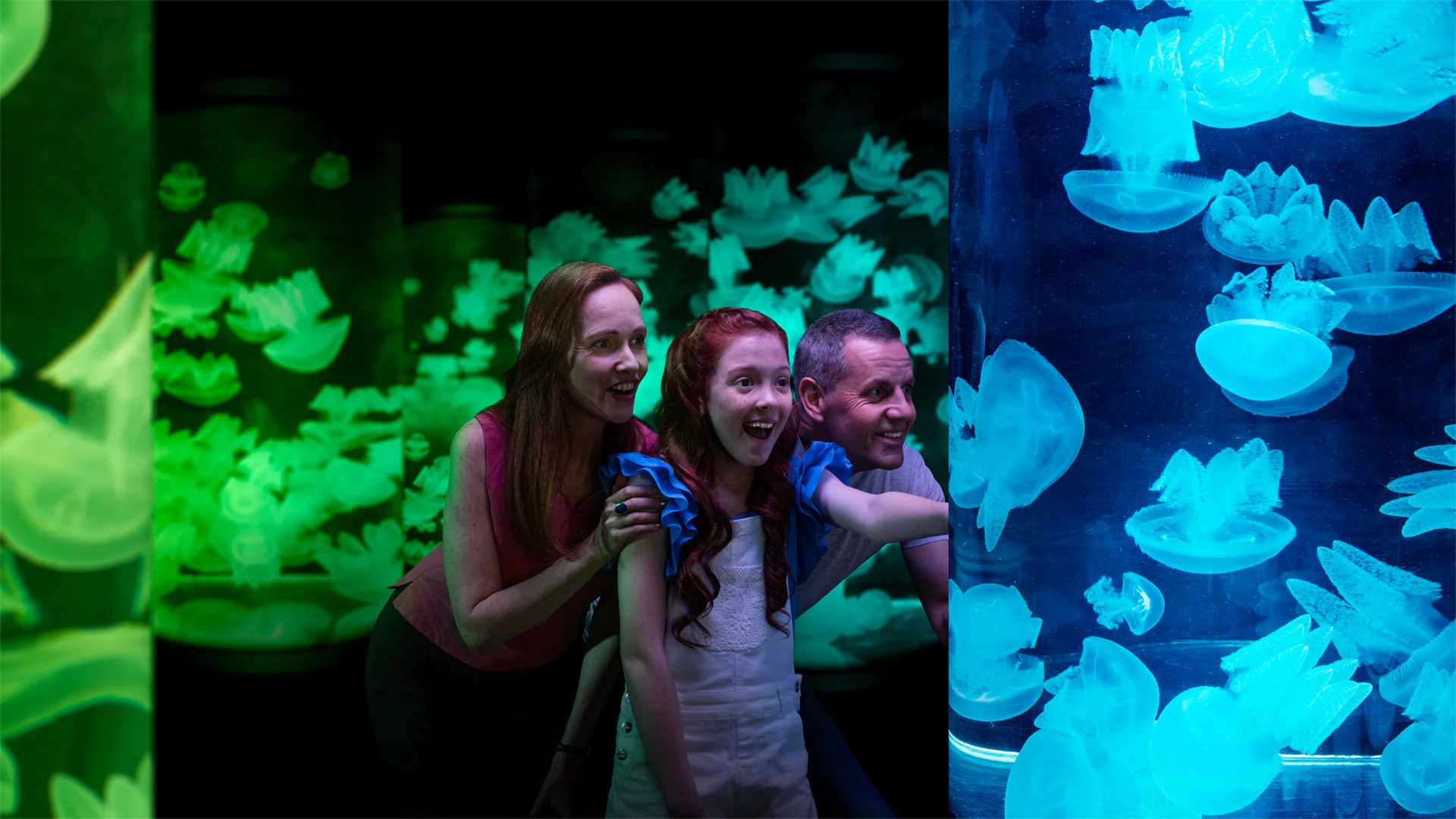
At Sea World Gold Coast, guests can observe jellyfish in the Sea Jellies Illuminated exhibit, where the carefully designed environment allows you to appreciate their delicate movements and intricate details. Watching their tentacles pulse through the water offers a mesmerising perspective on these fascinating creatures.
Within the exhibit, interpretive displays and detailed information panels help families and students understand how jellyfish eat, grow and reproduce. Clear explanations throughout the space make it easy to explore jellyfish facts at your own pace.
If you are planning your next family day out or school holiday activity, visiting the Sea Jellies Illuminated exhibit at Sea World Gold Coast offers an experience that is both educational and unforgettable.
Planning Your Visit
Whether you are researching Australian jellyfish species for a school project or simply fascinated by life under the sea, seeing these creatures in person adds depth to your understanding.
Sea World Gold Coast offers immersive marine environments, expert led talks, and opportunities to learn about ocean conservation. It is more than just a day out. It is a chance to connect with Australia’s unique marine life in a meaningful way.
Ready to discover jellyfish species in Australia up close? Plan your visit to Sea World Gold Coast today and experience the wonder of the ocean for yourself.